The Enigmatic Demise of Nigeria’s Strongman: A Look Back at General Sani Abacha’s Mysterious Death
Reflecting on the Life and Legacy of General Sani Abacha, Nigeria’s Military Ruler Who Died on June 8, 1998

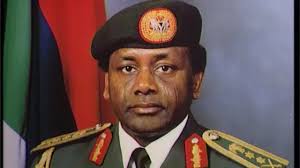
Today in history, on Monday, June 8, 1998, Nigeria witnessed a sudden and dramatic end to the rule of one of its most controversial leaders. General Sani Abacha, the military head of state who held power with an iron grip from November 1993 until his death, passed away under mysterious circumstances in the Aso Rock Presidential Villa in Abuja.
Born on September 20, 1943, in the bustling city of Kano, Sani Abacha rose through the ranks of the military with remarkable speed. He attended the Nigerian Military Training College in Kaduna and was commissioned in 1963, embarking on a career that would see him play a central role in almost every coup that shaped Nigeria’s turbulent post-independence era.
Read Also: Nigeria’s Twitter Ban of 2021: A Deep Dive into the Government’s Crackdown on Social Media
Abacha’s path to power was marked by cunning and ruthlessness. In November 1993, he seized control of the country by toppling the short-lived Interim National Government of Chief Ernest Shonekan. Abacha argued that this move was essential for restoring stability after the contentious annulment of the June 12, 1993, presidential election — a poll widely believed to have been won by Moshood Kashimawo Olawale (MKO) Abiola.
As Nigeria’s de facto ruler, Abacha governed with an iron hand. His regime was characterized by the suspension of democratic institutions, human rights abuses, and an unyielding crackdown on dissent. Yet, he also presided over a period of economic growth, largely driven by the oil sector and efforts to reduce Nigeria’s national debt.
Read Also: The Assassination of Kudirat Abiola: A Pivotal Moment in Nigeria’s Democracy Struggle
Tragically, General Sani Abacha died at the age of 54 on June 8, 1998. His burial took place the same day, without an autopsy, further fueling speculation about the true cause of his death. The official statement from the government attributed his sudden demise to a heart attack. However, whispers of foul play — from possible poisoning to assassination — have never fully quieted.
In the years since his death, the legacy of General Sani Abacha has remained as divisive as the man himself. While some remember him as a stabilizing force during a volatile period, others see his rule as a dark chapter in Nigeria’s journey toward democracy.
Read Also: From Military Rule to Democracy: How May 29, 1999 Reshaped Nigeria’s Political Future
The mystery of how he died — and the extent of his influence on Nigeria’s political trajectory — continues to captivate historians, political analysts, and the Nigerian public alike.