

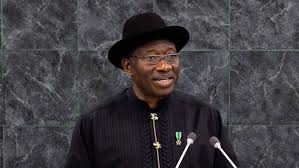
On this day in 2013, a turning point in Nigeria’s modern history unfolded. Amid escalating violence, fear, and the growing strength of Boko Haram’s insurgency, President Goodluck Ebele Jonathan addressed the nation with a grave announcement: a state of emergency was officially declared in Borno, Yobe, and Adamawa states.
These northeastern states had become the epicenter of bloodshed and terror. Boko Haram, an extremist group founded in 2002, had by 2009 evolved into a full-blown militant organization. The group’s ideology, deeply rooted in opposition to Western education and governance, turned violent by mid-2009. By then, their activities had gone beyond Nigeria’s borders, reaching parts of Chad, northern Cameroon, Niger, and Mali.
Read Also: Remembering Obafemi Awolowo: The Visionary Who Shaped Nigeria’s Political Foundation
But it was within Nigeria—particularly Borno, Yobe, and Adamawa—that the group’s violence reached chilling heights.
Between 2009 and 2013, these regions witnessed unimaginable horror. Hundreds of lives were lost—civilians, civil servants, and security operatives alike. Schools were torched. Towns emptied. Fear replaced normal life. The streets of Maiduguri, Damaturu, and Yola fell silent under the weight of insecurity.
Faced with growing national and international pressure, and the clear deterioration of security in the northeast, President Goodluck Jonathan on Tuesday, May 14, 2013, declared a state of emergency in the three most affected states. The announcement marked a pivotal effort to restore order and assert federal control over territories slowly slipping away.
Read Also: Bayelsa Queens Rise to the Top as NWFL Super 6 Heats Up
“I hereby declare a State of Emergency in Borno, Yobe and Adamawa states. I have directed the Chief of Defence Staff to immediately deploy more troops to these states for more effective internal security operations,” — President Jonathan, 2013.
This declaration allowed for sweeping powers: increased military deployment, curfews, and the suspension of certain civil liberties—all in a bid to curb the insurgency.
While opinions remain divided on the long-term effectiveness of the emergency rule, May 14, 2013, remains etched in the nation’s memory. It was the day the Nigerian government made a public and definitive move to confront one of its most serious internal security threats.
Today, we remember not only the decision but also the countless lives that were lost and disrupted during that dark chapter. And as history continues to unfold, we reflect on the importance of leadership, national unity, and the price of peace.
