

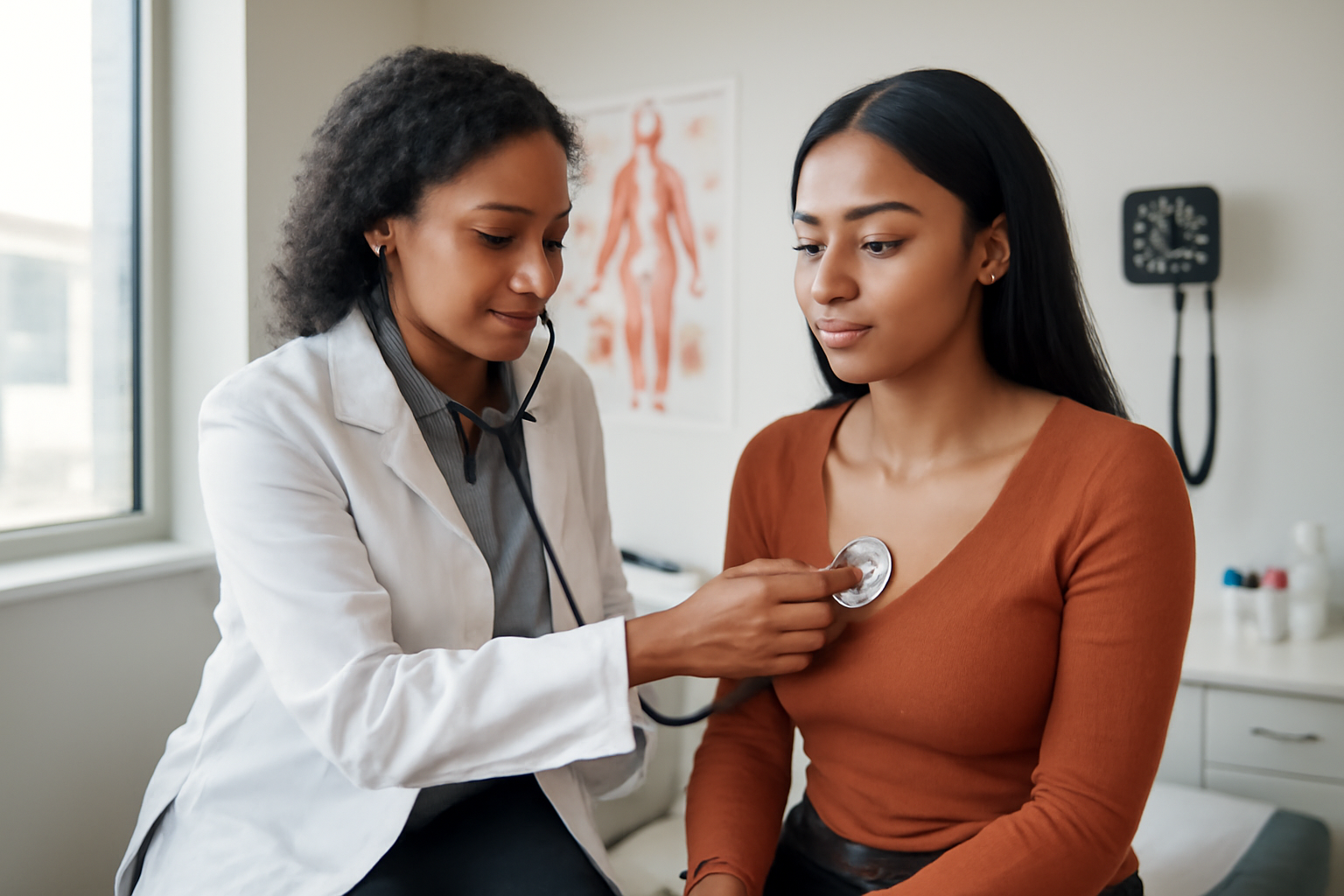
Check Before It’s Too Late: The Power of Health Check-ups in Nigeria
Why taking charge of your health today could save your life tomorrow
Growing up in Nigeria, you’ve probably heard people say, “I only go to the hospital when I’m sick.” For many, this mindset seems practical — why spend money or time at the doctor’s if you feel fine? But here’s the hidden danger: some of the most serious health conditions don’t show obvious symptoms until it’s too late.
Take the story of Mr. Ade, a father of four in Ibadan. For years, he felt strong and healthy. But when he finally went for a routine check-up, he discovered he had dangerously high blood pressure — a silent killer. The news shocked him. Thankfully, early detection meant he could start treatment immediately, saving his heart from irreversible damage.
Read Also: Inside the NPFL’s Landmark Abuja Meeting: Votes of Confidence, Season Reviews, and Future Plans
Mr. Ade’s story isn’t unique. Across Nigeria, countless people are living with undiagnosed conditions: high blood pressure, diabetes, kidney disease, even some cancers. These diseases often develop silently and only show signs when complications set in. That’s why regular health check-ups are more than just a luxury — they’re a lifesaver.
What Exactly Are Regular Health Check-ups?
A regular health check-up is a series of simple tests and screenings to spot health problems early, even when you feel perfectly fine. These include:
- Blood pressure and blood sugar checks
- Urine and cholesterol tests
- Eye and dental screenings
- Basic body weight and BMI assessments
These check-ups are quick, often taking less than an hour, but they could save you years of pain and expense.
Read Also: Nigeria’s Twitter Ban of 2021: A Deep Dive into the Government’s Crackdown on Social Media
Why Do Nigerians Skip Check-ups?
Many people in Nigeria avoid routine health checks for three big reasons:
- Cost: There’s a belief that check-ups are expensive. In reality, many primary health centers and NGOs now offer affordable or even free screenings.
- Fear: Some people worry that tests will reveal bad news. But knowing your health status empowers you to take action, rather than living in fear.
- Cultural Myths: In some communities, people believe that if you look healthy, you must be healthy. Sadly, this myth leaves many with undetected conditions.
The Benefits of Early Detection
Early detection isn’t just about preventing disease — it’s about living better, longer, and healthier.
Here’s how:
- Save on medical bills: treating a disease early is cheaper and easier than waiting for complications.
- Peace of mind: knowing your health status lifts a weight off your shoulders.
- Protect your family: Your health affects everyone you love. Staying healthy means you’re there for them.
Where to Get Affordable Check-ups
If you’re worried about cost, here’s good news:
- Many primary health centers in Nigeria offer low-cost screenings.
- NGO programs like those by the Nigerian Heart Foundation or local community groups regularly organize free health fairs.
- Mobile health clinics bring tests to your doorstep in some communities.
Ask at your local health center or community group — they often have updated information about free or subsidized programs.
A Final Call to Action
In Nigeria today, we’re seeing more cases of lifestyle diseases like hypertension and diabetes. But we also have more options for staying healthy than ever before. Your life is precious. Don’t wait for symptoms to show — check before it’s too late.
If you haven’t had a health check-up in the past year, make that your next goal. Let’s shift the conversation from treating sickness to preventing it. You deserve to know how healthy you really are — and to take steps to protect that health for the people who count on you.
Picture Credit: Maya Primary Health Care Centre, Ilorin Facebook Page
