

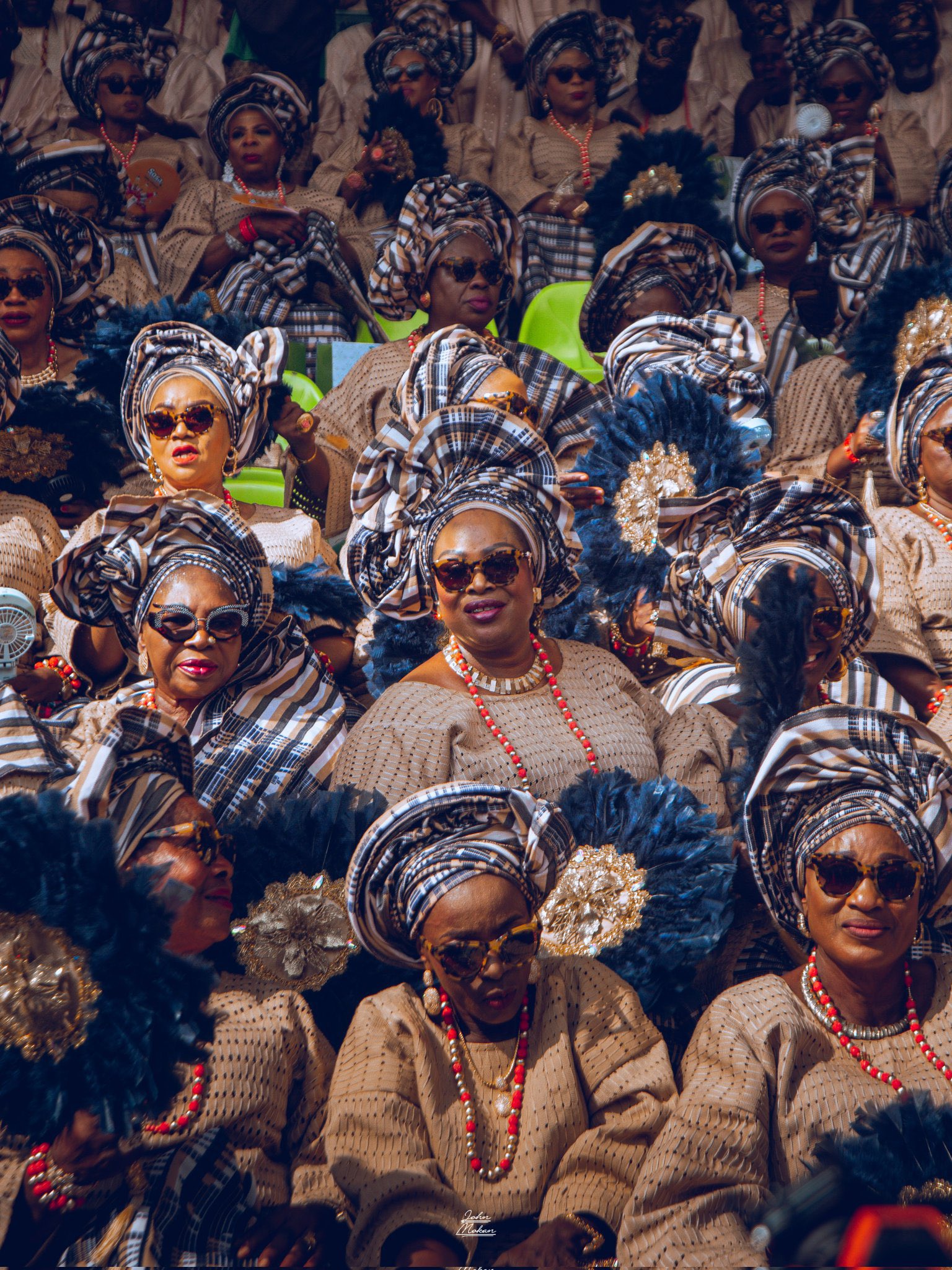
The ancient town of Ijebu-Ode, Ogun State, came alive once again as thousands gathered for the Ojude Oba Festival 2025, Nigeria’s most popular cultural festival. Rich in color, heritage, and Yoruba pride, the festival is a vibrant showcase of tradition and unity that transcends generations.
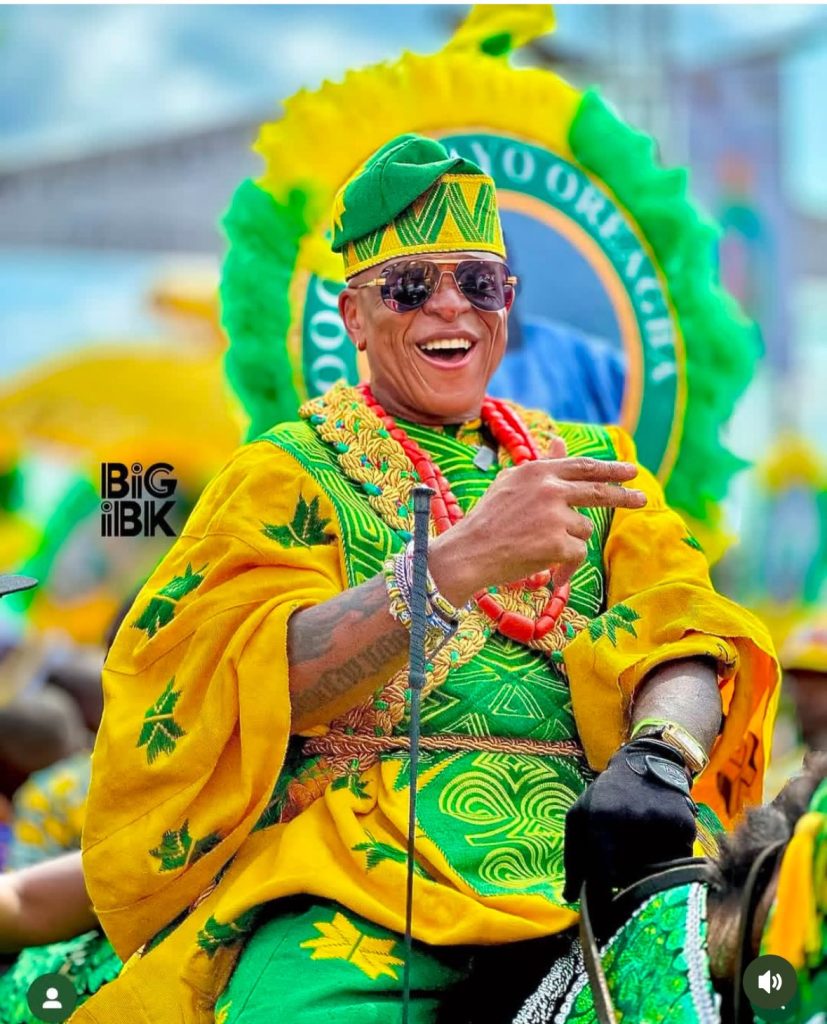
The Ojude Oba, which translates to “the king’s forecourt” in Yoruba, dates back over two centuries. Originally a modest gathering of Muslim faithful to thank the Awujale—the traditional ruler of the Ijebu people—for religious freedom, the festival has evolved into a grand cultural celebration for all Ijebu people, regardless of faith.
Read Also: Kizz Daniel Takes Back His Music Legacy: Masters of “New Era,” “Yeba,” and “Sofa” Reclaimed
Held annually on the third day after Eid, this year’s festival saw an impressive turnout of locals and visitors who converged to pay homage to the Awujale. From the regal parade of horsemen and warriors to the melodious drumming and dancing, the festival was a mesmerizing display of the Ijebu people’s rich heritage.
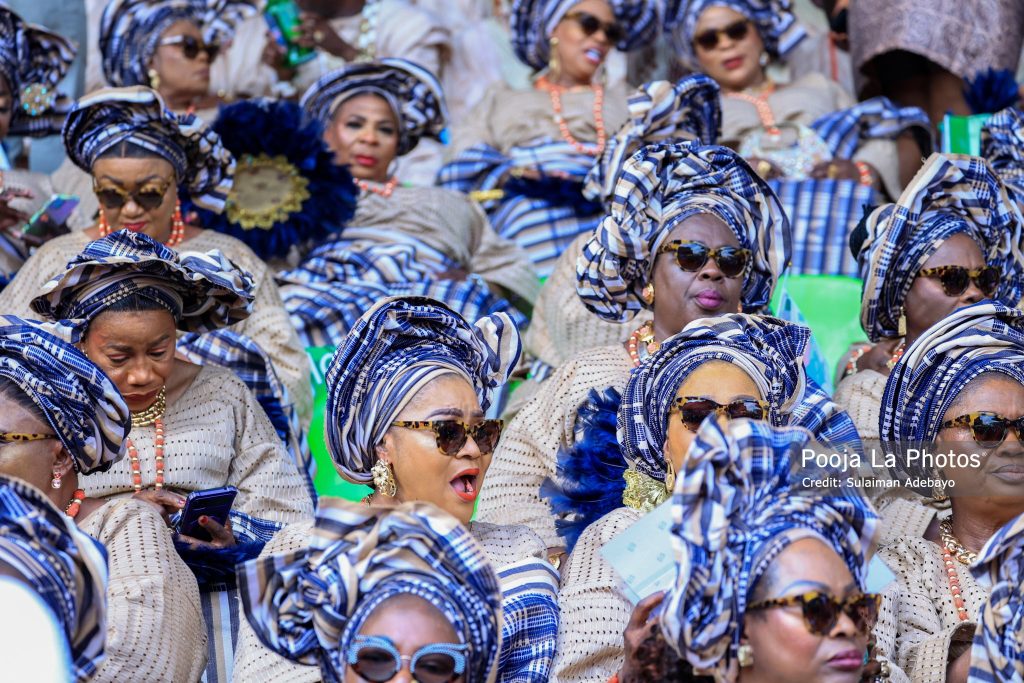
The women’s outfits were a feast for the eyes, featuring elegant iro and buba ensembles crafted from lace and the iconic aso-oke fabric, topped with intricately tied gele head wraps. Accessories like hand fans and sunglasses were not just for comfort in the blistering sun but essential style statements that completed their looks.
Read Also: Should Lagos Keep Hosting or Fix Its Sports Facilities? Here’s What Stakeholders Are Saying
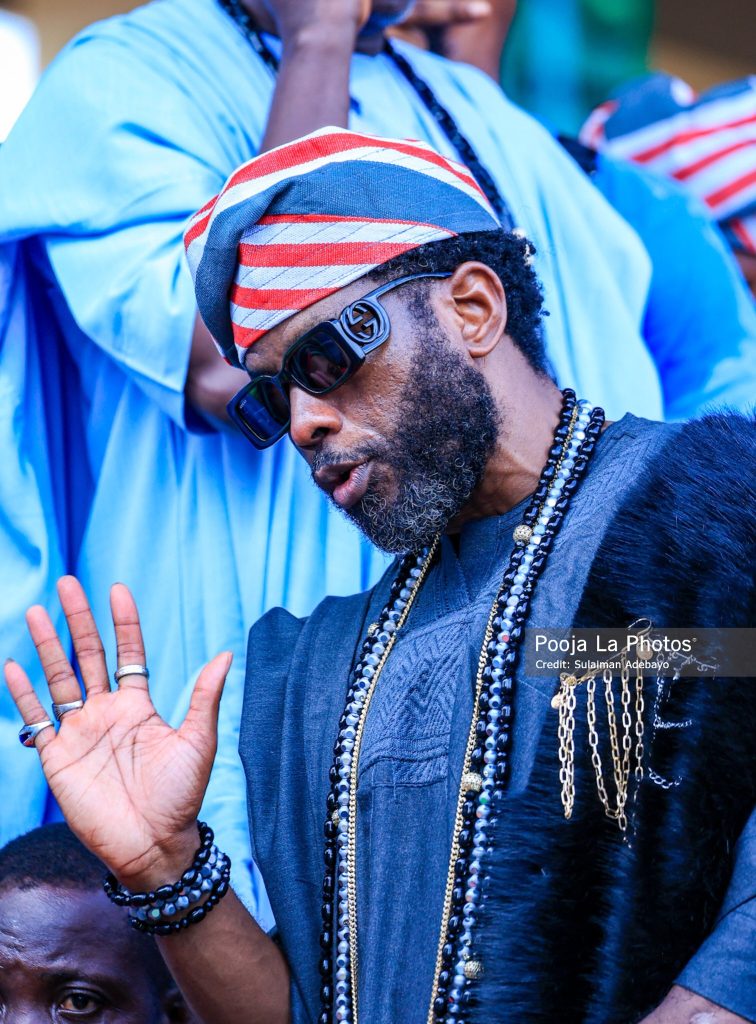
Men, too, brought their A-game, donning carefully coordinated agbada robes and matching accessories. Planning for the festival’s attire begins months in advance, with regbe-regbe age groups – social groups that foster unity among locals – collaborating on colors and styles that best represent their collective identity.
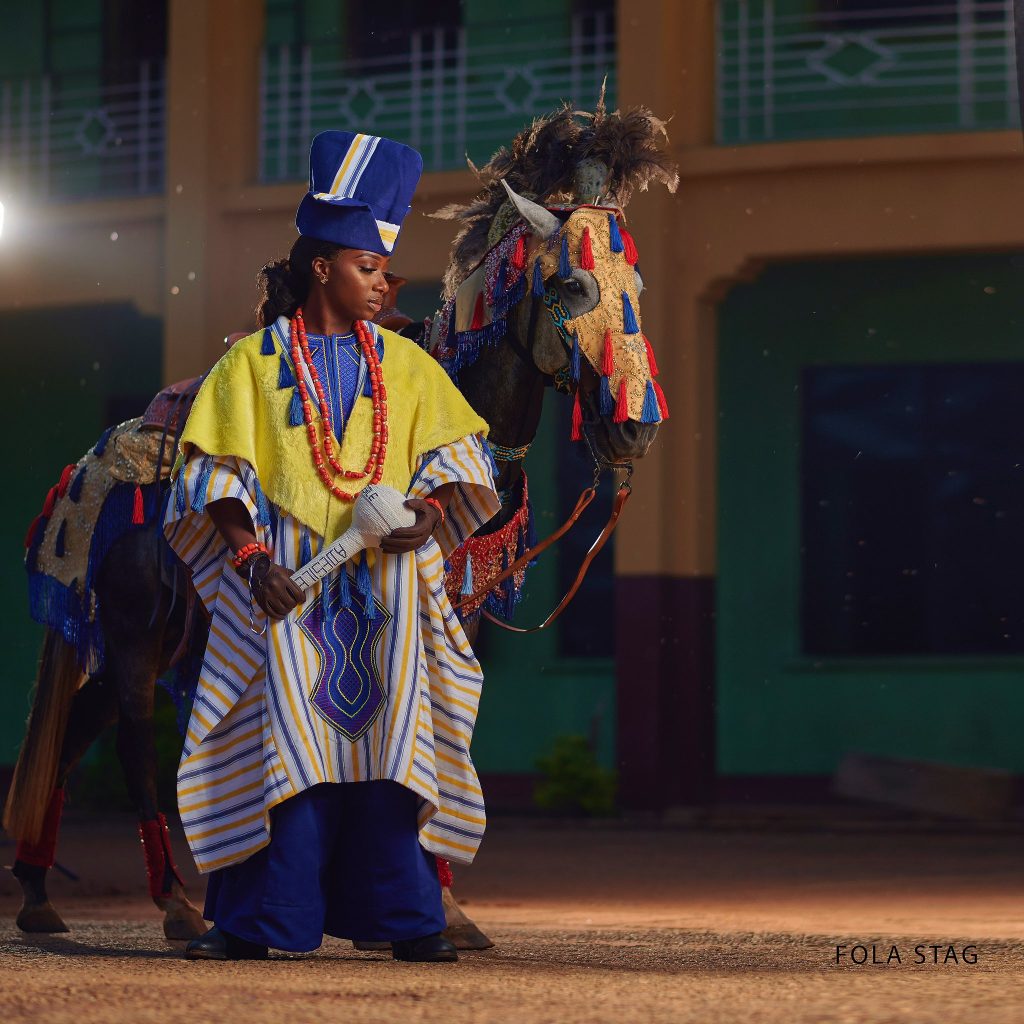
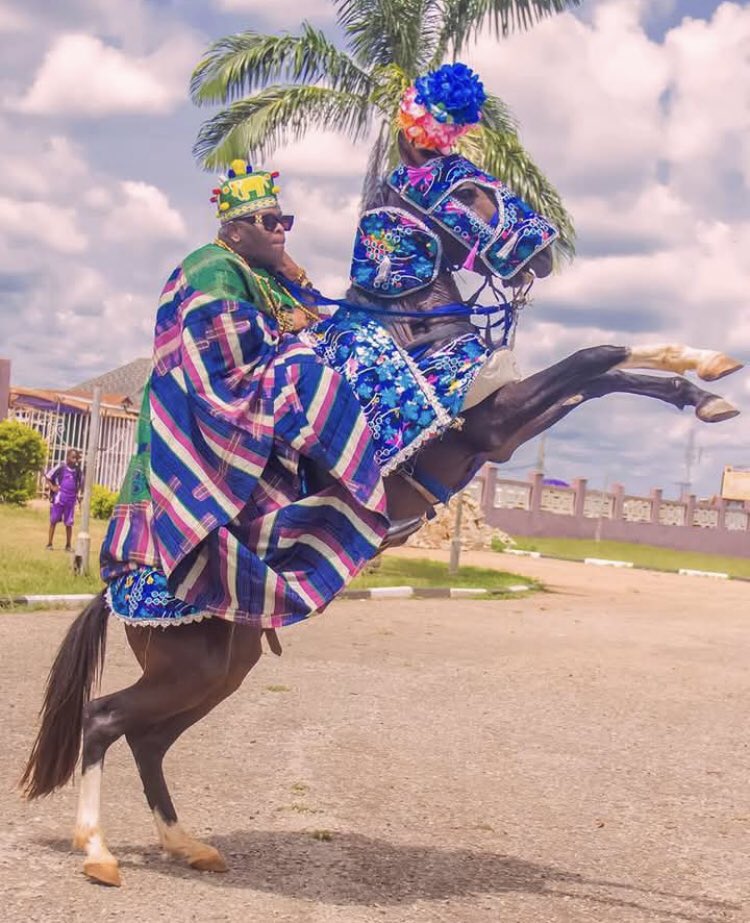
The festival grounds echoed with the thunderous applause as horsemen, adorned in shimmering ornaments of gold and silver, demonstrated their skill and the strength of their steeds. Traditional warriors from the Balogun and Eleshin families, protectors of the Ijebu kingdom in years past, marked their arrival with gun salutes that filled the air with white smoke.
Read Also: Gift Monday’s Stunning Header Seals Washington Spirit’s Victory Over North Carolina Courage
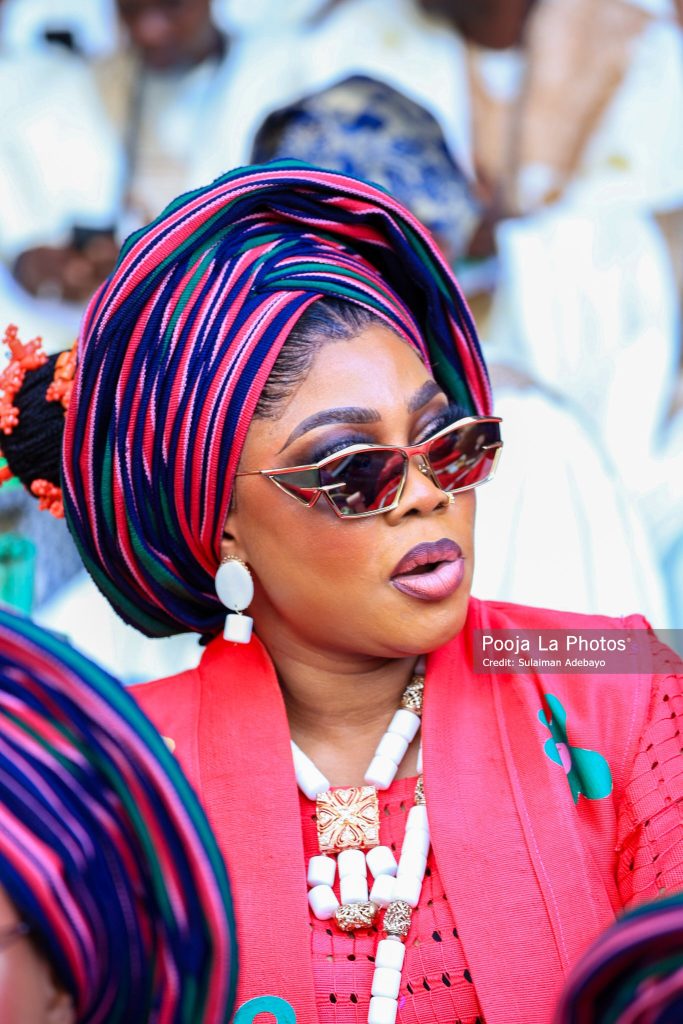
Beyond the cultural and historical significance, the Ojude Oba Festival has become an economic boon for the region. Dressmakers, weavers, shoemakers, jewelers, and other artisans find steady work crafting the elaborate outfits and accessories that make this festival so dazzling.
This year’s edition saw a stellar guest list that captured the nation’s attention:
- Farooq Oreagba, dubbed the “King of Steeze,” continued to shine. His emerald-and-gold agbada ensemble, complete with red coral beads and a gold chain, earned him the title of Cultural Ambassador by NCAC and inspired social media buzz
- Legendary Fuji musician Kwam 1 (King Wasiu Ayinde Marshal), recognized as the “Olori Omo Oba” princess title-holder, joined dignitaries on the pavilion floor, his status reinforcing the festival’s artistic resonance
- Nollywood heavyweight Odunlade Adekola, Ibrahim Chatta, Femi Branch and Lateef Adedimeji arrived in regal style—an agbada masterpiece and matching horse, drawing cheers and applause Tobi Bakre, the BBNaija star and Ogun-born actor-turned-model, made a stylish appearance. His traditional attire celebrated his roots and captivated younger attendees
- Fuji legend Adewale Ayuba (‘Mr. Johnson’) honored the festival with his presence, highlighting music’s integral role in Yoruba celebrations While global music star Davido hinted at interest and received an invitation to ride with the Balogun family in future events, tradition held—official horse riders remain Ijebu indigenes only.
Read Also: June 9, 1998: Major-General Abdulsalami Abubakar’s Swearing-in Ushers a New Era
Vice President Kashim Shettima and Governor Dapo Abiodun were honored guests, reflecting the festival’s national significance. Other distinguished attendees included former governors Diepreye Alamieyeseigha and Gbenga Daniel, Speaker of the Ogun State Assembly Prince Suraj Adekumbi, Senator Lekan Mustapha, business magnates like Otunba Subomi Balogun, top security brass, and cultural leaders—all reinforcing the festival’s political, economic, and cultural reach.
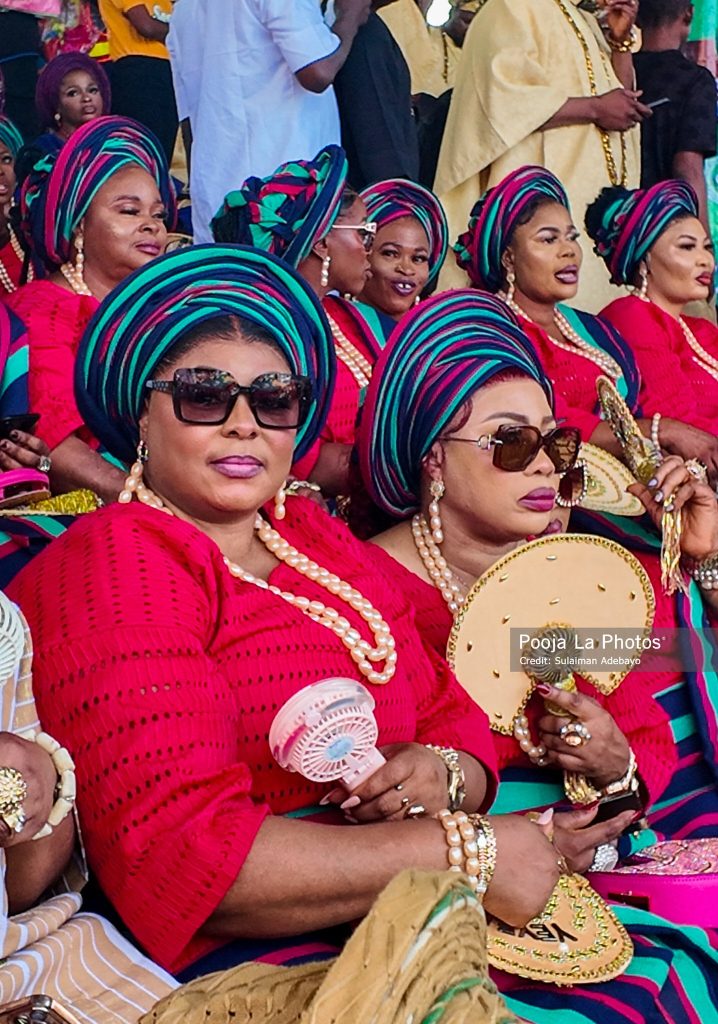
Ojude Oba isn’t just cultural pageantry—it’s an economic powerhouse. Dressmakers, weavers, jewellers, and shoemakers saw a surge in demand as participants commissioned bespoke pieces to shine at the event. The vibrant market around festival fashion fueled income and entrepreneurship in every corner of Ijebu-Ode.
Notably, Gen Z attendees brought fresh energy, blending tradition with modernity—opting for classic agbada and gele while injecting youthful flair. Their engagement signals a promising future for Yoruba cultural continuity.
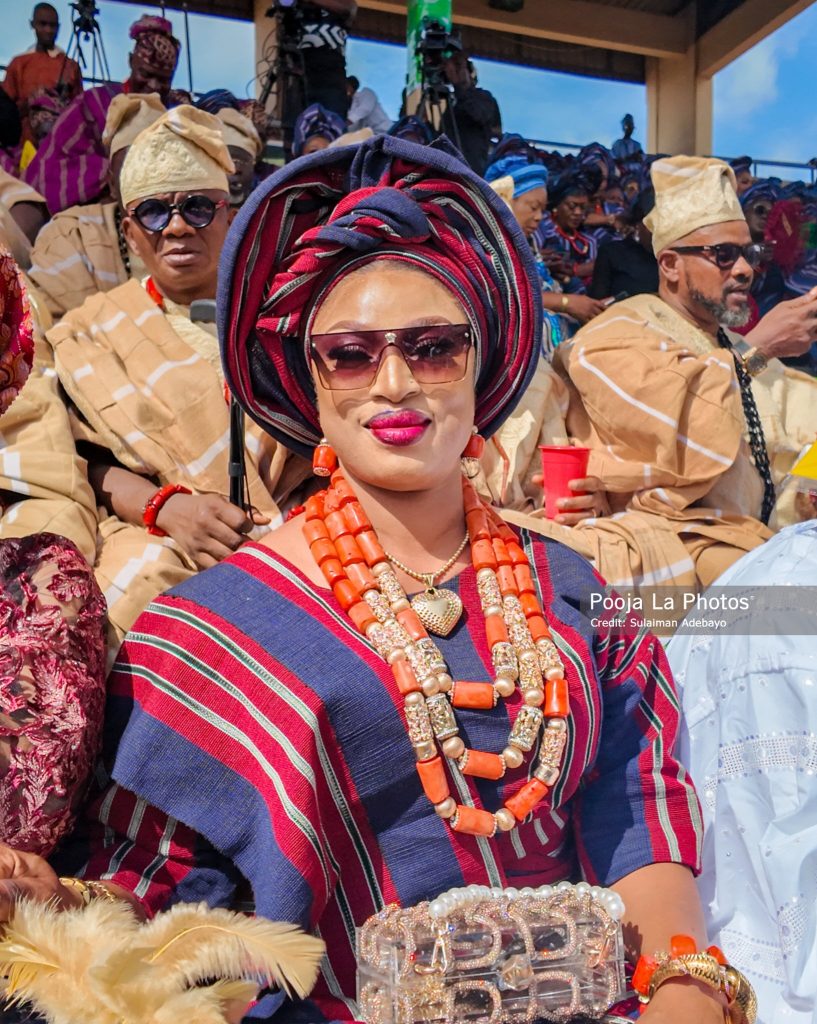
Ojude Oba continues to flourish because it adapts without compromising core values:
- It honors religious tolerance—rooted in its Muslim origins yet inclusive of all faiths.
- It strengthens intergenerational bonds through regberegbe, uniting young and old.
- It fuels hyper-local economies through fashion and craftsmanship.
- It commands respect across the nation, drawing celebrities and state leaders alike.
- Its national symbolism earned Vice President Shettima and Governor Abiodun’s endorsement, reflecting its socio-political weight.
Reflecting this year’s theme—“Unity and Harmony, Our Gift”—Ojude Oba once again demonstrated how shared history and culture can foster collective progress. From diverse guests to high-stakes coming-together of traditions, the festival championed cohesion amid diversity .
With features like horse parades, celebrity appearances, and UNESCO interest circulating, Ojude Oba is on track for international elevation. As planners and cultural custodians explore global platforms, one thing is clear: the festival isn’t just a local gem—it’s a cultural export poised for global acclaim.
The Ojude Oba Festival 2025 delivered an unforgettable blend of tradition, fashion, community, and celebrity. From King of Steeze Farooq Oreagba to Fuji royalty, high-profile dignitaries, and young cultural ambassadors, the festival continues to define Nigerian heritage in modern times. As it grows, the unity, pride, and passion it inspires only become more compelling.
For those who missed it—mark your calendars for next year’s third day after Eid. You won’t want to be left out of this spectacular cultural phenomenon.
Images Credit: PoojaMedia Twitter Page
