

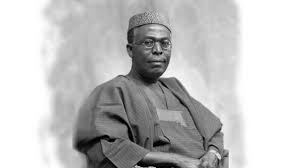
Born on March 6, 1909, in Ikenne, Ogun State, Awolowo’s impact on Nigeria’s path to independence and nation-building is unmatched. Often simply referred to as “Awo”, he was a relentless advocate for federalism, education, and political reform. Thirty-eight years since his peaceful passing in his Ikenne home at age 78, his memory continues to inspire generations of Nigerians.
The Architect of Federalism and Modern Political Structure
Obafemi Awolowo wasn’t just a politician; he was a movement. He laid the blueprint for Nigeria’s federal structure, believing that diverse ethnic groups could thrive better within a system that granted autonomy and equity. As leader of the opposition party at independence in 1960, Awolowo played the role of a fearless critic and thoughtful statesman.
He co-founded and led several political and cultural movements, including:
- Egbe Omo Oduduwa, a cultural group promoting Yoruba heritage;
- The Action Group (AG), a political party that pioneered progressive governance in Western Nigeria;
- The Unity Party of Nigeria (UPN), a platform for his post-war political ideologies;
- And the African Newspapers of Nigeria Ltd, publishers of the Nigerian Tribune, one of Nigeria’s oldest and most respected newspapers.
A Champion of Education and Social Welfare
As Premier of the Western Region, Awolowo made free primary education and healthcare cornerstones of his governance. These policies set the Western Region far ahead of other parts of the country in human capital development.
Today, many credit him as the father of modern education in Nigeria.
Lasting Tributes: His Name, His Image, His Ideals
Obafemi Awolowo’s name and ideals remain etched in Nigeria’s consciousness. Obafemi Awolowo University (OAU) in Ile-Ife was named in his honour, serving as a beacon of intellectual excellence. His image graces the ₦100 note, a symbol of national recognition reserved for only the most impactful leaders.
Though he never became president, Awolowo’s ideologies continue to guide many Nigerian political movements. His beliefs in good governance, public accountability, and social justice are more relevant today than ever.
A Legacy That Transcends Generations
Chief Obafemi Awolowo passed away quietly, without illness or distress, in his home in Ikenne on May 9, 1987. He was 78 years old.
He may be gone in body, but his ideas live on—in classrooms, in political discourse, and in the hearts of millions who believe in a better Nigeria.
As Nigeria continues to face the challenges of nation-building, federalism, and democratic consolidation, Awolowo’s legacy remains a guiding light.
