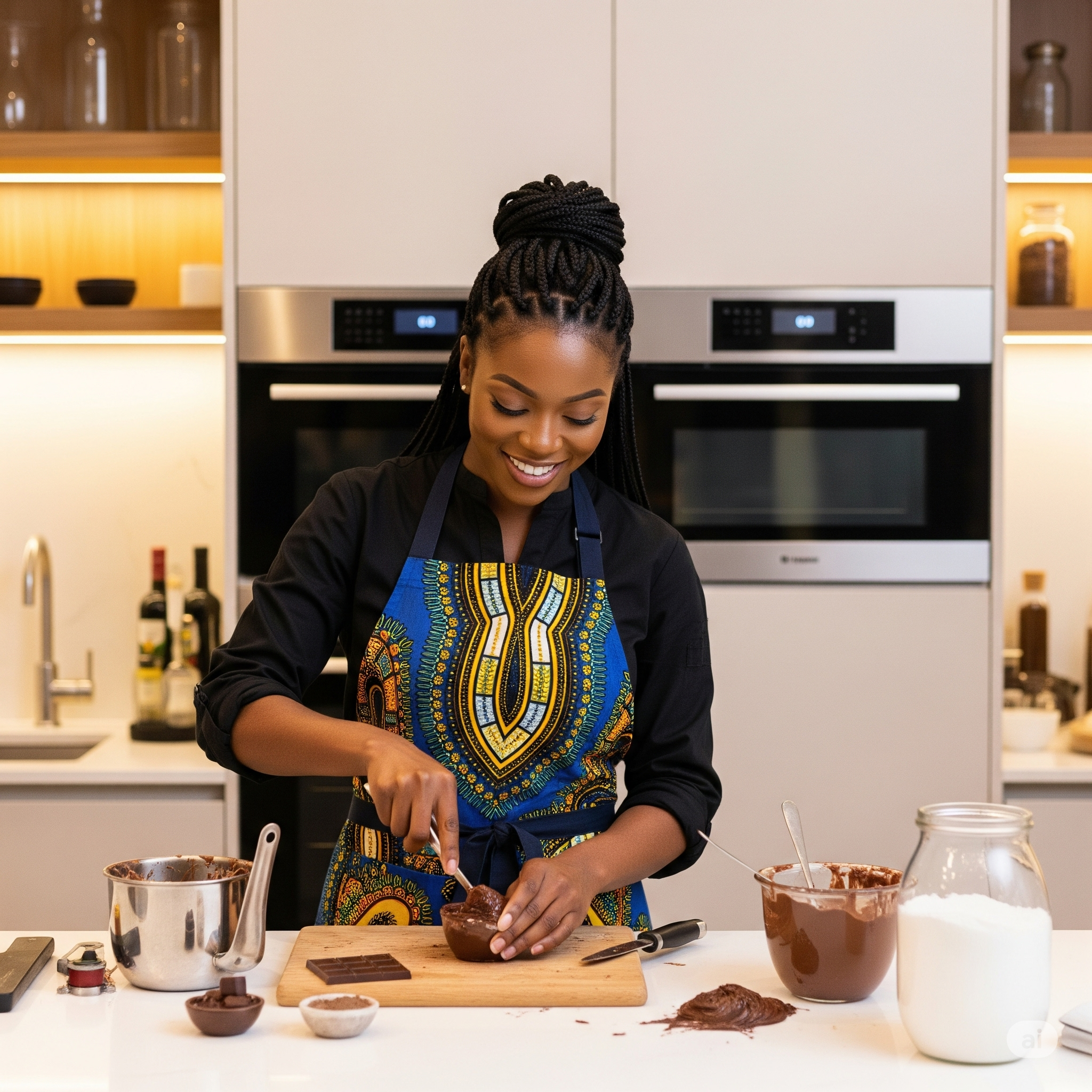
There’s something undeniably magical about chocolate. From its velvety texture to its deeply comforting taste, chocolate has a way of delighting the senses and stirring nostalgia in just one bite. But beyond the wrappers and ribbons lies a fascinating story—one that begins in the cocoa farms of West Africa and ends in the handcrafted truffle on your dessert plate.
In this edition of Meenah’s Layers of Delight, we’re exploring the world of cocoa and the confections it inspires. Whether you’re a chocoholic, an occasional indulger, or a curious foodie, get ready to discover chocolate in ways you’ve never imagined.
Read Also: The Sweet Science of Texture and Flavor: How to Create Desserts That Delight Every Bite
From Pod to Pleasure: The Journey of Cocoa
It all begins with the humble cocoa pod, grown in tropical regions around the world. Nigeria, notably, stands as one of Africa’s top cocoa producers, with fertile regions like Ondo, Cross River, and Ekiti nurturing rich, flavour-packed beans.
Cocoa farming is an art—and a labour of love. The beans are harvested, fermented under banana leaves, sun-dried, roasted, and ground into a rich paste called cocoa liquor. This is where the magic happens: the base for all things chocolate.
Read Also: Layers of Love: How to Create Show-Stopping Cakes That Celebrate Every Moment
Meet the Chocolate Family: Types and Tastes
Chocolate isn’t just chocolate. Its flavour and form depend on how it’s made and what it’s made with:
Dark Chocolate: Made with a high percentage of cocoa solids and little to no milk. Bold, slightly bitter, and perfect for sophisticated palates.
Milk Chocolate: A sweet staple with added milk solids. Creamy, rich, and popular among all age groups.
White Chocolate: Made from cocoa butter without cocoa solids. Sweet, smooth, and sometimes misunderstood.
Ruby Chocolate: A natural pink hue with a subtle berry tang—still a novelty on the shelves.
If you’re ever confused, just check the cocoa percentage on the label—higher means richer flavor.
Confections Worth Craving Chocolate’s versatility makes it the heart of countless desserts and snacks:
Truffles: Bite-sized rounds of ganache, often dusted with cocoa powder or coated in chocolate.
Pralines: Nutty, smooth, and sometimes crunchy—often associated with French confectionery.
Brownies: Cakey or fudgy, loaded with cocoa goodness and the perfect bake for home chefs.
Chocolate Barks: Slabs of melted chocolate topped with fruits, nuts, seeds, and crushed biscuits.
Chocolate-Dipped Treats: Think strawberries, cookies, pretzels, and even chin-chin for a local twist.
In Nigeria, we’ve added our own flair: from Bournvita-infused cakes to chocolate-covered puff-puff at artisan bakeries.
Made in Nigeria: Celebrating Homegrown Chocolate Brands The local chocolate scene is growing—and thriving. Several Nigerian chocolatiers are creating world-class products using locally sourced cocoa:
Loshes Chocolate: Combining sustainable sourcing with gourmet craftsmanship.
Kalabari Gecko: Known for bean-to-bar artistry with uniquely Nigerian flavors.
The Chocboy: Offering creative takes on traditional treats.
Dunte Chocolate: A bold brand championing Nigerian cocoa pride.
These brands are not just selling chocolate; they’re telling a story, empowering communities, and placing Nigeria on the global chocolate map.
Recipe Corner: Homemade Chocolate Bark Want a quick, fun, and delicious chocolate fix? Try making chocolate bark at home.
You’ll Need:
200g dark or milk chocolate
A handful of toppings (dried fruits, coconut flakes, chopped nuts, crushed cookies)
Steps:
Melt chocolate gently over hot water or in short microwave bursts.
Pour onto parchment paper in a thin layer.
Sprinkle toppings evenly.
Let it set in the fridge for 30 minutes.
Break into pieces and enjoy!
Perfect as a gift or a weekend treat.
Read Also: The Art of Sweet Beginnings: A Beginner’s Guide to Mastering Confectionery
Tasting Tips and Pairing Ideas Chocolate tasting is an experience. Let it melt slowly on your tongue and try noting the flavour notes—nutty, fruity, spicy, or floral. For pairings:
Coffee: Enhances bitterness and depth.
Red Wine: A classic match for dark chocolate.
Zobo or Hibiscus Tea: For a bold Nigerian pairing.
Fruits like bananas, berries, and oranges: They naturally complement chocolate’s richness.
Final Note Chocolate is more than a treat—it’s a journey, a cultural expression, and in many ways, a symbol of comfort and creativity. As Nigerian brands continue to explore this ingredient, now is the perfect time to appreciate and support the sweet stories being crafted right here at home.
Until next time, keep layering your delights—one cocoa creation at a time.
Leave a Reply