
Close Menu
  • Home
  • News
    • General
    • Politics
    • Press Release
  • Sports
    • Football
    • Athletics
    • Beach Soccer
    • Basketball
    • Table Tennis
    • Other Sports
  • Entertainment
    • Big Brother Naija
    • Lifestyle
  • Health
  • Education
  • Today-In-History
  • About Us
  • Contact Us
Facebook X (Twitter) Instagram
Awijare News
Subscribe
  • Home
  • News
    • General
    • Politics
    • Press Release
  • Sports
    • Football
    • Athletics
    • Beach Soccer
    • Basketball
    • Table Tennis
    • Other Sports
  • Entertainment
    • Big Brother Naija
    • Lifestyle
  • Health
  • Education
  • Today-In-History
  • About Us
  • Contact Us
Awijare News
Home»Today-In-History»Nigeria’s Twitter Ban of 2021: A Deep Dive into the Government’s Crackdown on Social Media
Today-In-History

Nigeria’s Twitter Ban of 2021: A Deep Dive into the Government’s Crackdown on Social Media

adminBy adminJune 5, 2025No Comments3 Mins Read0 Views
Facebook Twitter Pinterest Telegram LinkedIn Tumblr Copy Link Email
Follow Us
Google News Flipboard
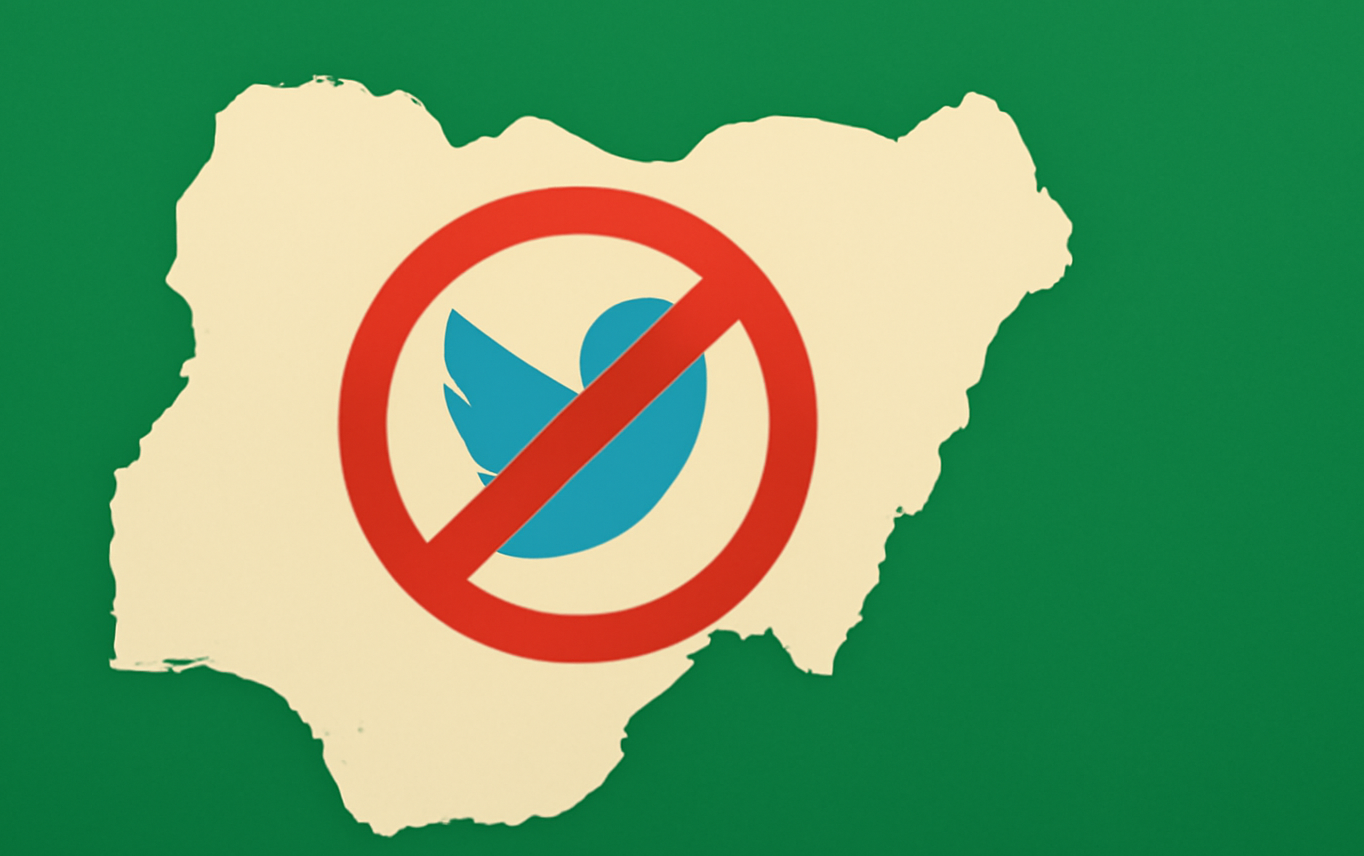
Illustration symbolizing the Twitter ban in Nigeria with a locked Twitter logo and the Nigerian map.
Visual representation of the 2021 Twitter ban in Nigeria, highlighting the clash between digital freedom and government control.
Share
Facebook Twitter LinkedIn Pinterest Email Copy Link

Today in history, Saturday, June 5, 2021, the Nigerian government made a bold and controversial move: Nigeria’s Twitter Ban within the country, abruptly cutting millions of Nigerians off from one of the world’s most popular social media platforms. This unprecedented action was not just a matter of online policy; it became a significant chapter in Nigeria’s history, sparking heated debates about free speech, government control, and the power of digital platforms.

Read Also: The Assassination of Kudirat Abiola: A Pivotal Moment in Nigeria’s Democracy Struggle

The Tweet That Sparked a Firestorm

The events leading up to the ban began a few days earlier, on June 1, 2021. President Muhammadu Buhari, in a tweet referencing the ongoing insurgency in Southeastern Nigeria, hinted at the possibility of a recurrence of the devastating Nigerian Civil War of 1967. His tweet was met with immediate backlash, with many Nigerians viewing it as insensitive and inflammatory.

Twitter quickly took action, deleting the president’s tweet for violating its rules on abusive behavior. This move didn’t go unnoticed by the Nigerian government. The Minister of Information at the time, Lai Mohammed, criticized Twitter for what he called an “unfair double standard,” claiming that the platform was biased in how it enforced its policies.

Read Also: From Military Rule to Democracy: How May 29, 1999 Reshaped Nigeria’s Political Future

The Ban Unfolds

The real bombshell came on June 5, 2021, when the government officially banned the usage of Twitter in Nigeria. While the suspension of President Buhari’s tweet and account was cited as a trigger, the government insisted that the primary reason for the ban was the role of social media in spreading misinformation and fake news, which, they argued, could have dangerous real-world consequences.

For many Nigerians, the ban was seen as a direct assault on freedom of expression and an attempt to stifle dissent. Twitter had become an essential platform for political discourse, activism, and even small businesses trying to reach customers. Overnight, millions of Nigerians found themselves cut off from a vital tool for communication and expression.

Read Also: Nigeria’s Defining Political Restructure: The Day 12 States Replaced 4 Regions

The Ban is Lifted

After more than seven months of restrictions, Nigeria’s Twitter ban was finally lifted on January 13, 2022. In that time, debates had raged over the government’s motivations and the future of digital freedom in Nigeria. While the government claimed it had reached an understanding with Twitter, many Nigerians saw the episode as a stark reminder of how quickly access to information and expression can be curtailed.

Read Also: National Youth Service Corps (NYSC): A Historic Initiative for Unity and Youth Empowerment in Nigeria

A Lasting Impact of The Twitter Ban

The 2021 Twitter ban is now a significant historical moment in Nigeria’s digital history. It exposed the tension between government control and free speech, the global power of social media platforms, and the evolving relationship between citizens and the state in the digital age. It also served as a warning: in an increasingly connected world, the clash between online freedom and government authority is never far from the surface.

2021 Twitter ban Lai Mohammed Nigeria Twitter ban Nigerian civil war Nigerian government President Buhari tweet social media and misinformation social media censorship Twitter in Nigeria
Follow on Google News Follow on Flipboard
Share. Facebook Twitter Pinterest LinkedIn Telegram Email Copy Link
admin

Related Posts

Today in Nigeria History: Abule Egba Pipeline Tragedies

December 26, 2025

The Historic 1991 Move From Lagos to Abuja and How Nigeria Chose Its New Capital

December 12, 2025

How Samuel Ajayi Crowther’s Baptism Sparked a Legacy That Transformed African Christianity

December 11, 2025
Leave A Reply Cancel Reply

About
About

We are more than a news website — we are the heartbeat of Nigeria’s unfolding story. At Awijare News, we believe that news is not just information; it’s lived experience. From the bustling streets of Lagos to the quiet corners of local communities, from the roar of stadiums to the sparkle of red carpets, we are here to shine a light on what matters to Nigerians, both at home and across the globe.

Our Picks

Edo Queens Rise to the Summit as NWFL Matchday 13 Delivers Drama Across Nigeria

April 3, 2026

NFRA Leadership Transition Begins as Kelechi Mejuobi Assumes Acting Presidency

April 1, 2026

Tight Battles and Shock Results Define Jagaban Cup 2026 Matchday Two at Legacy Pitch

March 27, 2026
Most Popular

Edo Queens Rise to the Summit as NWFL Matchday 13 Delivers Drama Across Nigeria

April 3, 2026

NFRA Leadership Transition Begins as Kelechi Mejuobi Assumes Acting Presidency

April 1, 2026
  • Home
  • About Us
  • Contact Us
© 2026 ThemeSphere. Designed by ThemeSphere.

Type above and press Enter to search. Press Esc to cancel.